
2026 Interior Design Trend Forecast: Designing with Intention, Comfort, & Character
As we move into 2026, interior design is entering a more thoughtful, grounded era.After years of rapid trend cycles and reactionary design choices, homeowners are asking for something deeper. We want homes that feel intentional, personal and built to last. Finally design has merged with the current trends.
Across national luxury markets like Las Vegas where companies are testing for what’s next, and closer to home here in Montana, one thing is clear: design in 2026 is less about chasing what’s new and more about refining what matters.
This year’s trends aren’t about extremes. They’re about balance, comfort, and authenticity — spaces that look beautiful, functional effortlessly, and reflect the people who live in them.
Below, we’re breaking down the big-picture interior design trends shaping 2026, and what they actually mean for homeowners planning a remodel or new build.
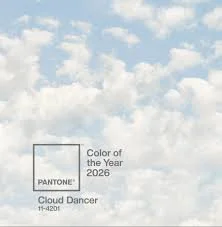
Image Source: Pantone USA
Warmth Replaces Stark Minimalism
The era of ultra-cool whites, flat gray interiors, and overly sparse spaces is officially fading. In 2026, we’re seeing a clear shift toward warm minimalism. These homes feel calm and refined, but also inviting and human.
Instead of stark contrast, designers are layering:
Creamy whites and warm taupes
Mushroom, putty, and soft clay tones
Gentle transitions between spaces rather than hard visual breaks
Architectural warmth is also playing a bigger role, with elements like softly curved doorways, radius corners, and subtle millwork details adding character without clutter.
From a professional design standpoint, this shift aligns closely with ASID’s human-centered design principles, which emphasize comfort, wellbeing, and emotional connection to space. Warm interiors simply feel better to live in—and they age far more gracefully than trend-driven minimalism.
Montana insight:
Warm palettes pair beautifully with natural light, exposed beams, and the wood species commonly used in mountain and ranch-style homes, especially in open-concept layouts that can otherwise feel cold or echoing.
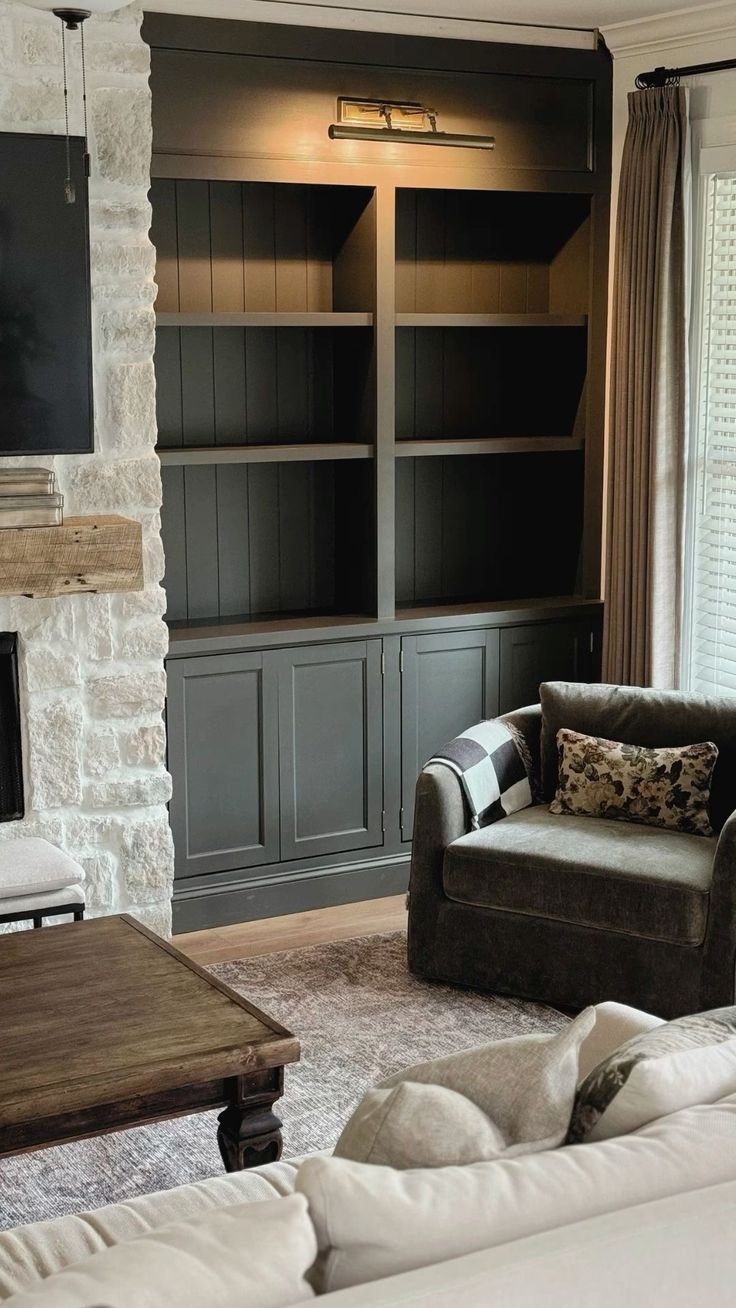
Image Source: Pinterest
Color Is Back! Used with Confidence and Restraint
Color is making a return in 2026, but not in an overwhelming or chaotic way. What we’re seeing instead is intentional, strategic color placement where each hue has a purpose.
Popular directions include:
Earth-based tones like olive, rust, deep blue, and oxblood
Color applied to cabinetry, ceilings, and millwork
Moody secondary spaces such as powder rooms, libraries, mudrooms, and home offices
Luxury markets like Las Vegas are leaning into desert-inspired saturation—rich tones balanced by light stone, plaster walls, and natural textures. The result feels bold but grounded.
The key difference in 2026 is how color is used. Rather than spreading it everywhere, designers are selecting specific moments where color adds depth, contrast, or intimacy while allowing warm neutrals to anchor the home as a whole.
This is where professional guidance matters most. Without a clear plan, color can quickly feel disjointed. With the right strategy, it elevates the entire space.
Designer Tip: Start with a single wall to accent with color. Either in a powder bath, dining, or end of hallway.
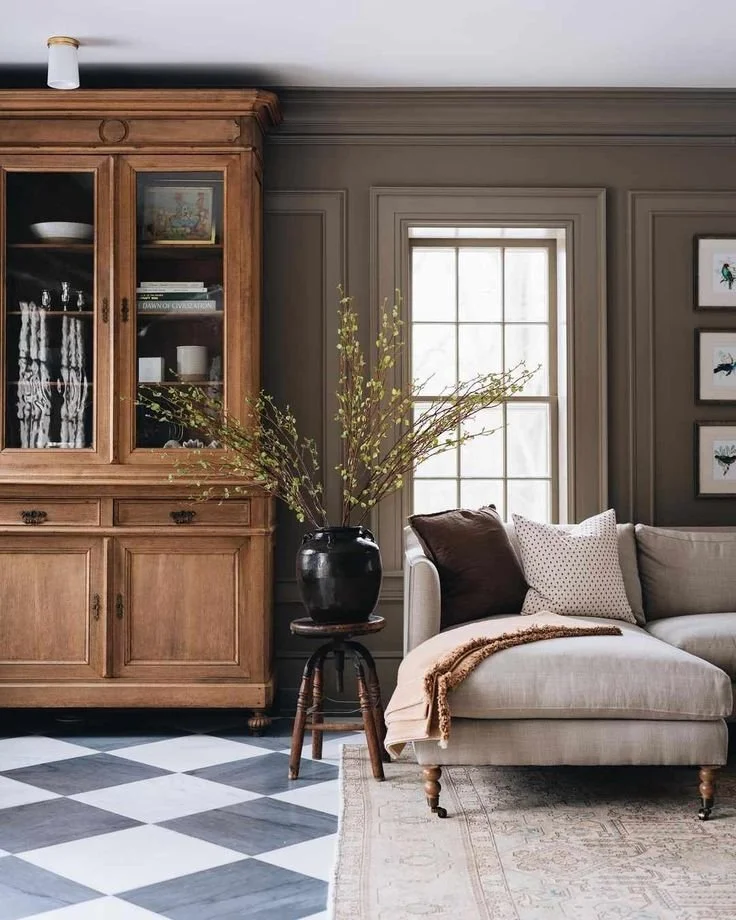
Image Source: The Spruce
Texture Becomes a Design Foundation, Not an Accent
Color is making a return in 2026, but not in an overwhelming or chaotic way. What we’re seeing instead is intentional, strategic color placement—where each hue has a purpose.
Popular directions include:
Earth-based tones like olive, rust, deep blue, and oxblood
Color applied to cabinetry, ceilings, and millwork
Moody secondary spaces such as powder rooms, libraries, mudrooms, and home offices
Luxury markets like Las Vegas are leaning into desert-inspired saturation—rich tones balanced by light stone, plaster walls, and natural textures. The result feels bold but grounded.
The key difference in 2026 is how color is used. Rather than spreading it everywhere, designers are selecting specific moments where color adds depth, contrast, or intimacy—while allowing warm neutrals to anchor the home as a whole.
This is where professional guidance matters most. Without a clear plan, color can quickly feel disjointed. With the right strategy, it elevates the entire space.
Pro Tip: Lighting impacts mood more than décor does. A few warm bulbs can make your entire home feel cozier instantly.
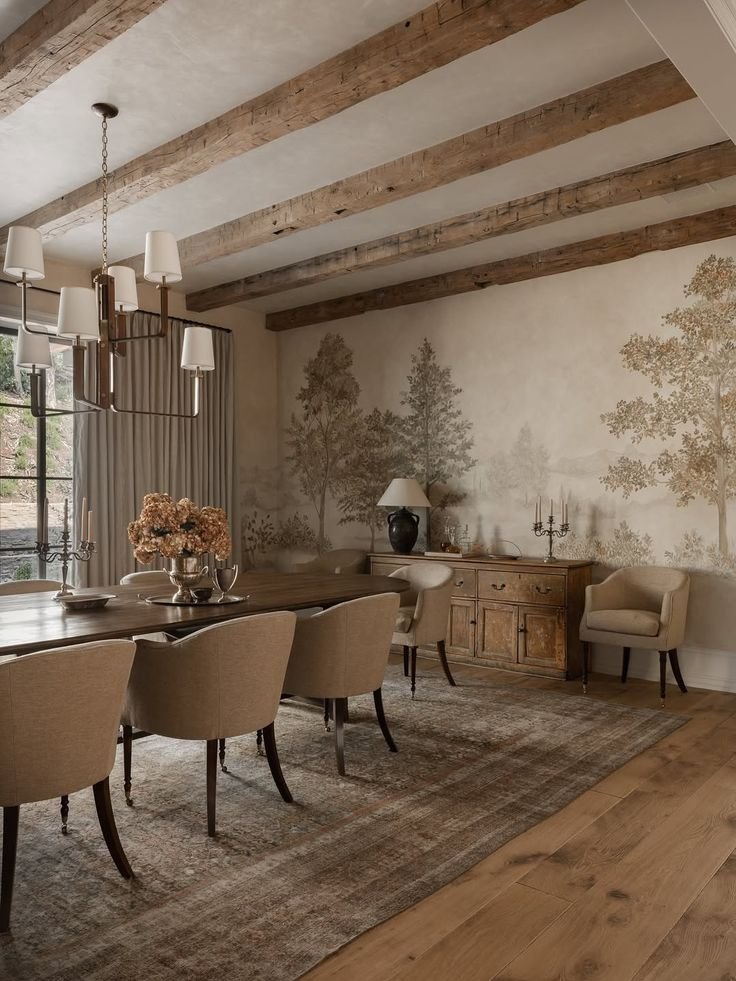
Image Source: Amber Lewis on Homes & Garden
Personalization Over Perfection
One of the most meaningful shifts in 2026 is the move away from showroom-perfect interiors toward homes that feel collected, layered, and personal.
Homeowners are prioritizing:
Custom millwork instead of mass-produced solutions
Art, heirlooms, and meaningful objects displayed intentionally
Layouts designed around real habits, not resale checklists
This trend reflects a broader cultural change: people want homes that tell a story, not spaces designed solely for social media.
Here in Montana, this presents a unique opportunity to incorporate:
Local artisans and craftspeople
Western art and sculpture
Custom wood and metal details that reflect regional identity
Design Insight: In 2026, luxury is no longer defined by perfection—it’s defined by authenticity.
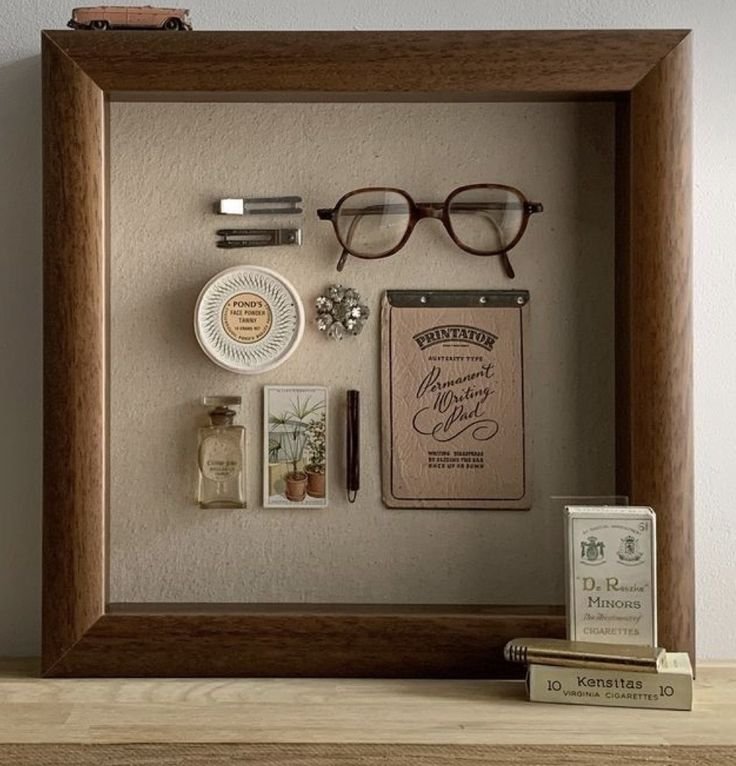
Image Source: Pinterest
Technology That Disappears into the Design
Smart home technology is no longer optional, but the expectation has changed. In 2026, the best technology is the kind you don’t notice.
Key priorities include:
Integrated lighting control and automated shades
Quiet, efficient HVAC systems
Thoughtful acoustic planning
Charging and power solutions designed early
What’s falling out of favor is after-the-fact tech—visible clutter, exposed wiring, and systems added without design coordination.
When technology is planned alongside architecture and interiors, it enhances comfort, energy efficiency, and daily ease without compromising aesthetics.
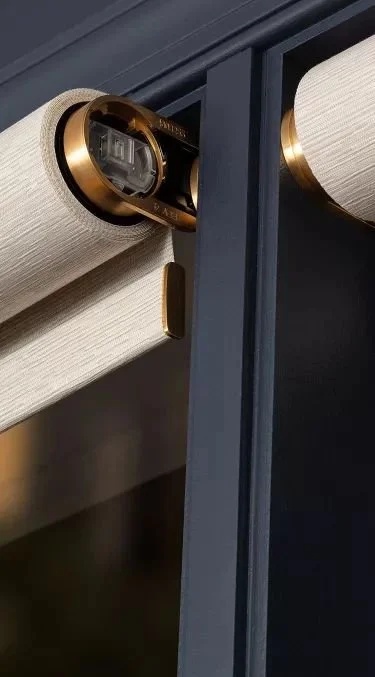
Image Source: Lutron Electronics
What These 2026 Trends Mean for Homeowners
The biggest takeaway from 2026’s design forecast is this: successful homes are planned, not pieced together.
Trends should never drive decisions on their own. Instead, they should support:
Your lifestyle
Your long-term needs
Your budget and timeline
The most successful projects start with clear expectations and early design involvement. We often tell clients that good design is about giving you a map before a mood board—understanding scope, priorities, and investment before refining the details.
Design in 2026 is iterative, thoughtful, and collaborative—and that’s exactly how it should be.

Image Source: Pinterest
Planning a Remodel or New Build in 2026?
If you’re considering a renovation or custom home this year, now is the time to design with intention—not reaction.
Working with a professional interior designer early in the process ensures your home:
Reflects who you are
Functions beautifully day-to-day
Stands the test of time
If you’re ready to start planning, we’d love to help guide you through the process.
Coming Up Next
This February, we’ll dive deeper into:
2026 color trends and how to apply them confidently
Natural materials and texture layering for timeless interiors
Ready to work together on your next project? - Book your consultation. ↗️
All of your support is amazing, and I am so thankful you are here! I really hope this has helped you with your projects or future ideas. Please follow along for a deeper look into the design industry and what I’ve learned working on client’s home remodels. Send me projects you are currently working on in the comments below! I love seeing what you are up to.
Happy Styling! Read more posts:



Interior design in 2026 is shifting toward warmth, texture, and intentional living. From earth-based color palettes and layered materials to personalized luxury and integrated smart technology, this year’s trends reflect a move away from stark minimalism and toward homes that feel grounded, comfortable, and authentic. Here’s what homeowners should know before starting a remodel or custom build in 2026.